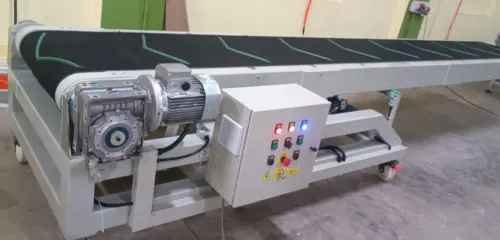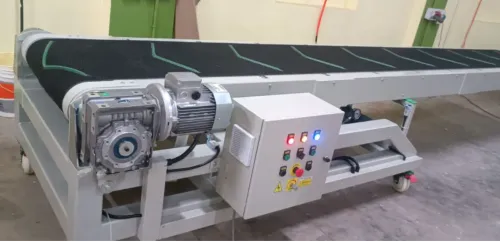
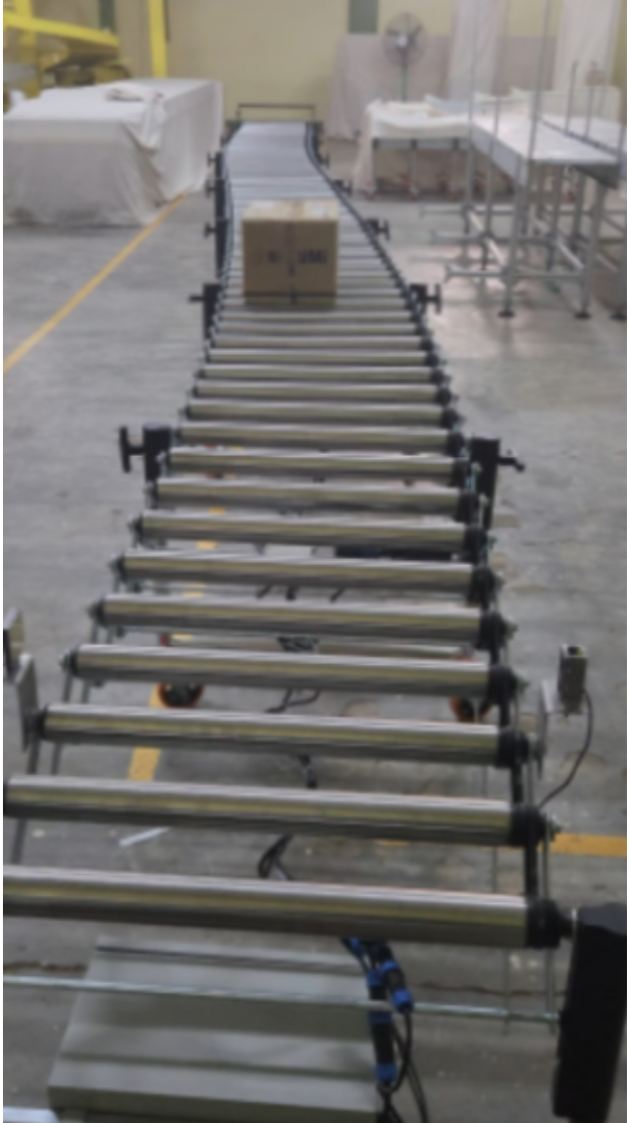
Installing Material Handling Conveyors can improve production flow, but poor layout decisions can also create congestion, difficult maintenance access, unsafe transfer points, and inefficient movement. The conveyor itself may function correctly while the overall system performs poorly because the material route was not planned carefully.
Integrated Conveyors And Pacline Automation Technologies works with industrial conveyor applications where equipment layout and process integration are considered alongside conveyor specifications. This approach is particularly relevant for Coimbatore manufacturers upgrading existing plants.
Mistake 1: Designing Around Empty Floor Space
A conveyor should follow the production requirement, not simply occupy whatever floor space is available.
First map where material originates, where processing occurs, and where the product must eventually go. Only then should the conveyor route be finalized.
Mistake 2: Ignoring Product Variation
Manufacturers sometimes specify a conveyor using only the current product. If dimensions, weights, packaging formats, or production models change frequently, the system may become restrictive.
Document realistic minimum and maximum product conditions before design.
Mistake 3: Forgetting Operator Movement
Conveyors should not block essential access routes. Operators still need to reach machines, workstations, inspection points, and emergency access areas.
Walkways and working clearances should therefore be part of layout planning.
Mistake 4: Overlooking Maintenance Access
Motors, rollers, bearings, belts, sensors, and other components require inspection or servicing. Equipment placed too close to walls or machines may become difficult to maintain.
Accessible maintenance points can reduce unnecessary downtime later.
Mistake 5: Automating a Bottleneck Without Studying It
A conveyor may move products quickly into a process that cannot handle the same throughput. This simply transfers congestion from one location to another.
The entire process should be reviewed before selecting conveyor speed.
Better Planning for Coimbatore Facilities
Industrial units in Coimbatore, Tamil Nadu, range from compact workshops to large production plants. Existing machinery, columns, utility routes, floor conditions, and future expansion plans can all affect conveyor design.
Effective material handling is created by connecting equipment, people, and processes logically. Before investing in a conveyor system, manufacturers should map actual material movement during both normal and peak production. That exercise often reveals unnecessary travel, waiting points, repeated handling, and opportunities for a more efficient conveyor layout.
Keywords