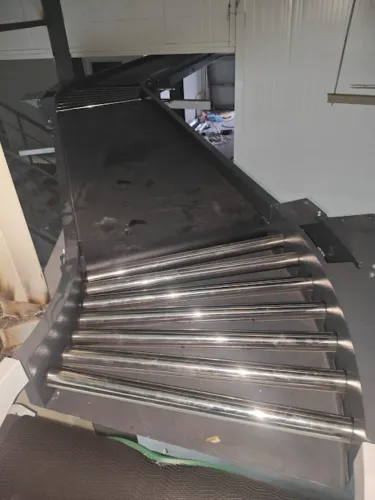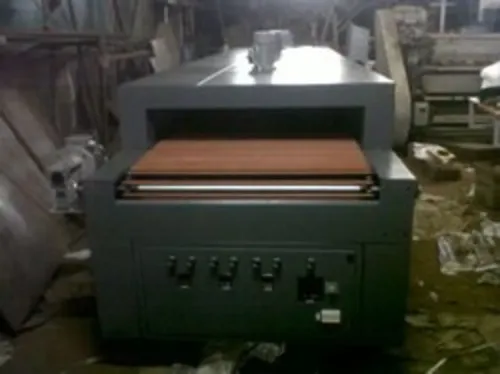
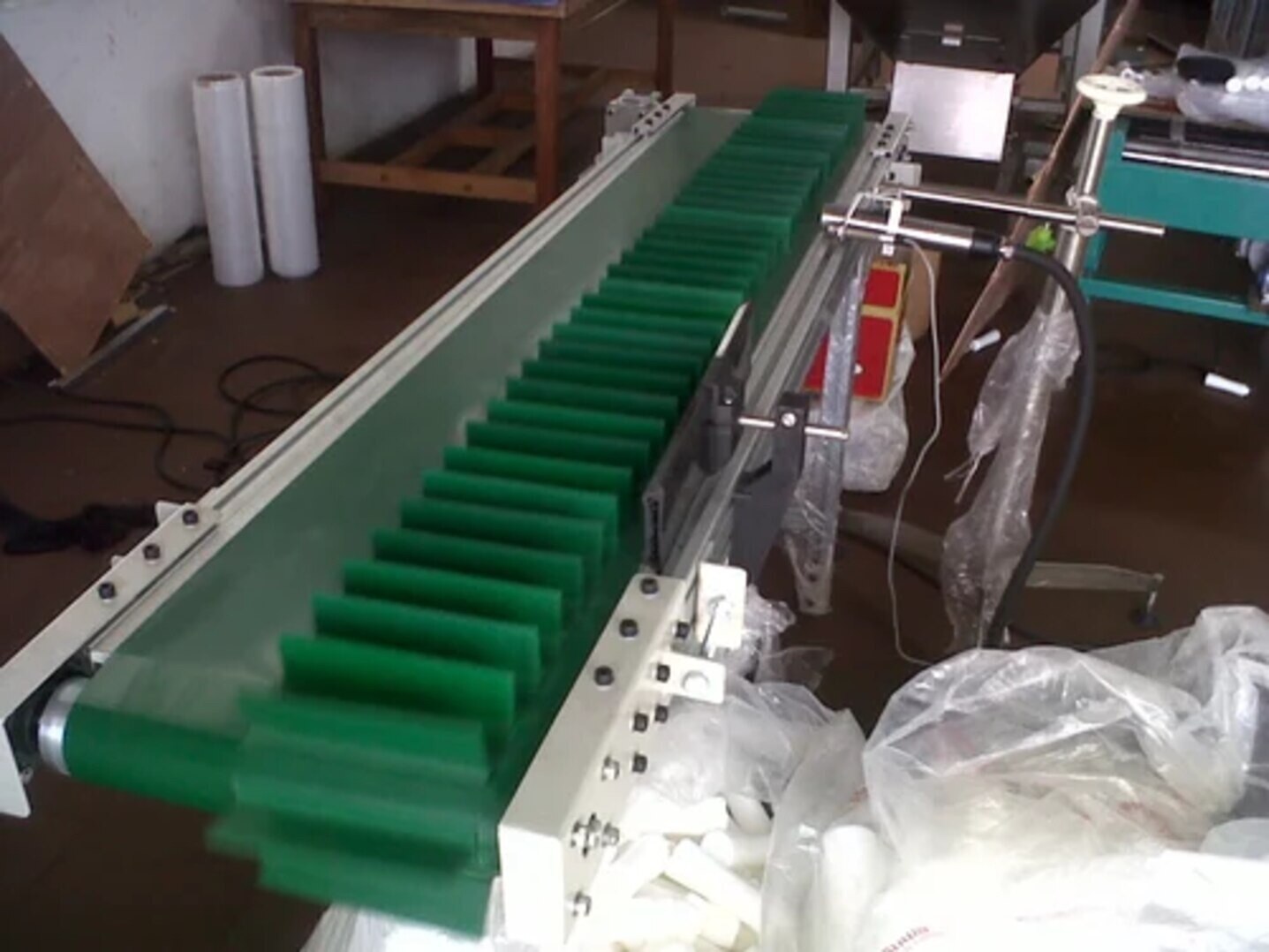
Selecting an inclined conveyor starts with product data and plant geometry, not belt width or a quoted motor size. You will be able to collect the right measurements, test the incline and cleat arrangement, compare alternative transport methods, and prepare a purchase specification that reflects Coimbatore’s dust, humidity, washdown and production conditions.
Key takeaways
- Measure product size, weight, moisture and output before requesting a design.
- Calculate belt width, conveyor length, lift and capacity from the plant layout.
- Match cleat height and spacing to the product, incline and required flow.
- Choose another conveyor type when cleats create jams, damage or cleaning problems.
Collect the product and plant data before requesting a design
A supplier cannot size an inclined conveyor from belt width alone. For choosing inclined cleat belt conveyors for production facilities in Coimbatore, provide measured product, output and plant data before discussing equipment.
1. Describe the material: bulk density when loose and compacted, particle or lump-size range, shape, moisture or oil content, temperature, abrasiveness, fragility, and tested angle of repose and surcharge angle.
2. State the duty: tonnes per hour, peak feed rate, batch or continuous operation, product dimensions, orientation, spacing, and the number of starts and stops per hour.
3. Send a dimensioned layout showing horizontal run, lift height, loading and discharge elevations, available footprint, obstructions, walkways, columns, mezzanines, and required discharge location.
4. Explain the feed arrangement, including chute dimensions, drop height, expected belt speed, centreline alignment, and whether material lands between or across the cleats. Off-centre or high-impact feeding causes mistracking, spillage and cleat damage.
5. Record operating conditions and controls: dust, washdown, ambient temperature, cleaning method, inspection access, belt-joining space, return-run access, and lockout points.
For an inclined belt conveyor for factories, include the proposed guarding and emergency-stop philosophy at the quotation stage. Identify pulley and roller nip points, drives, take-ups, shafts and accessible return runs.
Also state how rollback will be controlled after power loss: cleats alone are not a complete safeguard; a backstop, brake, controlled stop or secondary restraint may be required.
Calculate belt width, length, lift and capacity from the layout
Turn the layout and production target into four outputs: belt width, conveyor length, vertical lift and required capacity. Belt width alone is not enough; loading cross-section, belt speed, inclination and cleat geometry determine how much material the conveyor can carry.
1. Set belt width from the product footprint. Add the product’s length or width, depending on its travel orientation, to clearance at both edges and space between adjacent pieces. Check the result against the largest lump size, then allow for cleat pockets, skirt seals and loading variation.
A product that shifts sideways can spill even when its static footprint fits.
2. Calculate capacity from the peak rate, not the average. Convert the target to kilograms per hour, then estimate capacity as bulk density × loaded cross-sectional area × belt speed × 3,600 × a filling factor.
Reduce the filling factor for irregular, wet or sticky material; steep loading and closely spaced cleats do not create capacity without increasing belt width or speed.
3. Establish lift as the vertical difference between the feed and discharge elevations. Measure the available horizontal run, then calculate the belt centreline length as the square root of horizontal run squared plus lift squared. Calculate incline angle as arctangent of lift divided by horizontal run.
4. Add service space around the calculated envelope for belt joining, scraper adjustment, trapped-material removal and access to the drive and take-up. Compact belt conveyors for inclined transport become expensive when technicians cannot safely reach return rollers or skirt seals.
Use the peak tonnes-per-hour rate, product temperature, moisture, abrasiveness and starts per hour to check motor, belt and drive sizing. Good cleat belt conveyor selection also includes rollback control; cleats alone do not stop a loaded belt after a drive or power failure.
Match incline, cleat geometry and belt surface to the product
The material’s tested angle of repose and surcharge angle set the starting point, not a catalogue maximum. Add acceleration, vibration, moisture and loading impact, then run a trial; a product that rests on a horizontal belt can slide or roll backward on an incline.
| Product condition | Starting incline | Cleat pitch and height | Belt surface |
|---|---|---|---|
| Dry, free-flowing granules | 15–25° | Pitch at least 2–3 times the largest particle; 25–50 mm height | Smooth, oil-resistant rubber or PVC |
| Coarse, irregular or damp solids | 20–30° | 1.5–2.5 times the largest lump; height about one-third to one-half of product depth | Rough-top or profiled, abrasion-resistant cover |
| Boxes, trays or stable packages | 10–20° | Pitch longer than the package contact length; cleat height below the centre of gravity | High-grip, non-marking surface |
| Fragile, rolling or oily products | Keep angle low; trial above 15° | Short pitch and low, rounded cleats to prevent impact and tipping | Soft, high-friction, oil-compatible cover |
Cleat height must retain the load without striking, crushing or trapping it. Short pitch improves support but increases flexing and power demand; tall cleats increase retention while adding noise, cleaning difficulty and belt stress. These trade-offs belong in cleat belt conveyor selection.
Feed at approximately belt speed, near the centreline and in the direction of travel. Loading across a cleat or from excessive height causes impact, spillage, mistracking and premature cleat damage. Confirm the chosen surface against oil, heat and abrasion, then test starts and stops at the planned rate.
This is where the claimed inclined cleat belt conveyor benefits either become measurable or disappear.
Check whether a cleated belt is the right transport method
Choose a cleated belt when the product needs controlled elevation, remains stable within its tested angle of repose and surcharge angle, and arrives near belt speed and the centreline. An inclined belt conveyor for factories is a poor choice when moisture, vibration, impact loading or acceleration makes material slide, roll backward, spill or tip.
Belt conveyors for inclined transport also need room for joining, cleaning, scraper adjustment and safe lockout access.
| Option | Choose it when | Reject it when |
|---|---|---|
| Cleated belt | Discrete boxes, bags or stable bulk solids need a moderate lift and continuous flow | Cleats cannot prevent damage, rollback or spillage at the tested operating speed |
| Sidewalls | Fine, loose or rolling material needs containment across a steep incline | Product sticks in corners, requires frequent washdown, or sidewall sealing creates unacceptable drag |
| Bucket elevator | You need a compact, high vertical lift for dry bulk material | Fragile, sticky or irregular product will break, bridge or contaminate buckets |
| Screw conveyor | Enclosed transfer, metering or mixing matters more than gentle handling | Long runs, high throughput or fragile product make friction and degradation costly |
| Roller conveyor | Rigid, stable packages need low-energy horizontal or slight-incline movement | Bags, loose bulk material or uneven loads cannot maintain roller contact |
| Pneumatic system | Enclosed, hygienic routing is essential and the product tolerates air velocity | Power use, abrasion, segregation or product breakage is unacceptable |
Reject the inclined belt if a fully loaded start exceeds drive starting torque or transient belt tension. Cleats add belt mass, flexing resistance, noise and cleaning effort; a slower, wider, lower-angle belt can deliver more reliable capacity than a steep, narrow design. Ensure the feed chute does not drop material across the cleats or off-centre.
Write a specification that survives design review and daily operation
Require a signed specification, not a belt width and motor size. Choosing Inclined Cleat Belt Conveyors for Production Facilities in Coimbatore demands operating assumptions that another supplier can audit and reproduce.
1. State bulk density, largest lump, tonnes per hour, product temperature, moisture, oil or coolant exposure, abrasiveness, belt speed, inclination, lift, cleat height and pitch. Require capacity at these exact conditions, including loading cross-section and edge clearances.
2. Describe the plant environment: textile lint, foundry dust, abrasive sand, food residue, washdown water and ambient temperature. Specify sealed bearings, dust-resistant drives, abrasion- or heat-resistant belt covers, corrosion-resistant fasteners and cleanable frame details where exposure warrants them.
3. Detail the feed chute. It must load near the centreline, at approximately belt speed and without dropping material across the cleats. Require skirt sealing, guarding, emergency stops, pull cords, lockout access and protection at nip points.
4. Require the supplier to state belt construction, minimum pulley diameters, expected belt tension, drive rating, starting method, take-up arrangement and noise limit. Include access for belt joining, scraper adjustment, cleat replacement, inspection and trapped-material removal.
5. Define acceptance before purchase: test the conveyor with the specified product at the actual incline and rated tonnes per hour. Record speed, current, tracking, spillage, noise, emergency-stop response and restart behaviour; reject it if it cannot meet those values.
Integrated Conveyors And Pacline Automation Technologies can use this schedule to distinguish genuine inclined cleat belt conveyor benefits from a steep, overloaded design that merely claims higher capacity.
Frequently asked questions
What plant data should you collect before requesting an inclined cleat belt conveyor?
Record product dimensions, weight, temperature, moisture, surface condition, target output, loading method, discharge height and available floor space.
How do you calculate the required belt width, length, lift and capacity?
Use the measured product footprint and spacing for belt width, the layout for conveyor length and elevation change, and the required units or kilograms per hour for capacity.
How do you choose cleat geometry and belt surface?
Match cleat height, spacing and profile to the product size, incline angle, loading pattern and risk of rollback, while selecting a belt surface that provides grip without damaging the product.
When is a cleated belt conveyor the wrong transport method?
Choose another method when the product is fragile, unstable, sticky, highly abrasive or difficult to clean, or when cleats obstruct reliable loading and discharge.
What belongs in a conveyor specification for design review?
State product data, throughput, belt dimensions, incline, lift, cleat details, belt material, drive requirements, guarding, controls, cleaning needs and acceptance criteria.
Keywords