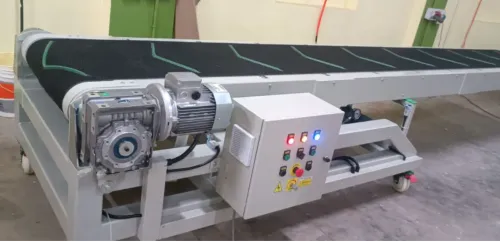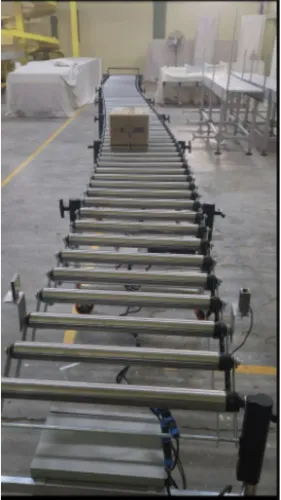
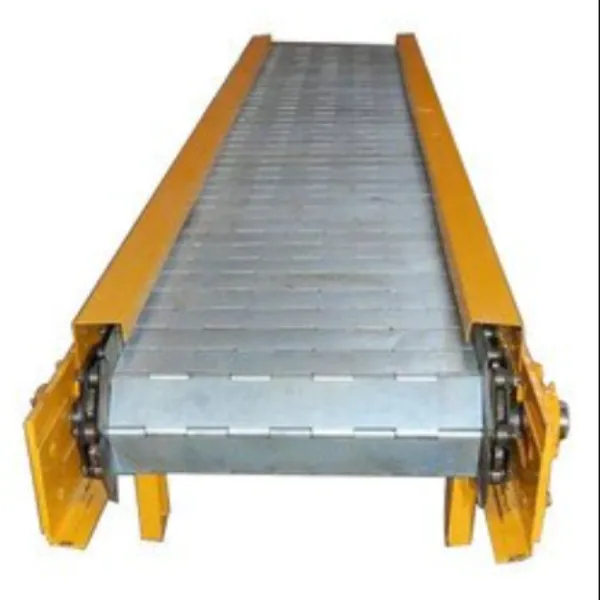
Dairy dispatch involves moving large numbers of milk crates within limited loading windows. Crates may travel from filling and packing areas to cold storage, sorting points or delivery vehicles. Repeated manual lifting can slow the process and place unnecessary physical strain on employees.
Milk loading crate conveyors in Coimbatore provide a dedicated route for moving loaded or empty crates through dairy handling areas. A carefully designed system can support faster movement while keeping crate flow organised during early-morning and high-volume dispatch periods.
Understand the Crate Journey
The conveyor layout should reflect the complete movement cycle, not only the loading point. A dairy may need to transfer filled crates towards vehicles while returning empty crates to washing, storage or production areas.
Planning should cover:
- Crate exit from the packing section
- Temporary accumulation before dispatch
- Route to the loading bay
- Transfer into delivery vehicles
- Empty-crate return movement
- Crate washing or cleaning access
- Separate handling of damaged crates
Mapping these stages can reveal unnecessary crossing points and manual transfers.
Select a Conveyor Surface That Supports the Crate
Milk crates generally have rigid bases, making roller or belt conveyors possible depending on the design. Roller spacing must support the crate without allowing it to tilt or become trapped.
Wet conditions require additional attention. Milk residue, wash water and condensation can affect traction and equipment durability. Components should be selected according to the cleaning routine and exposure conditions within the facility.
Plan for Hygiene and Cleaning
A dairy conveyor should allow employees to clean accessible product-contact and surrounding areas. The frame should minimise locations where dirt or liquid can collect.
Operational planning may include:
- Accessible rollers and return sections
- Suitable drainage around the conveyor
- Materials selected for the environment
- A documented cleaning schedule
- Inspection after washdown procedures
- Prompt removal of damaged crates
- Separation of clean and unclean movement zones
The precise hygiene requirements depend on how and where the conveyor is used within the dairy process.
Prevent Dispatch Bottlenecks
Conveyor speed should match vehicle loading capacity. If crates arrive faster than employees can stack them, accumulation near the truck may create congestion. Controlled buffer sections can hold a limited number of crates without interrupting upstream operations.
Side guides help maintain alignment, while stops or sensors can regulate crate release. Conveyor height should also support comfortable transfer between the dairy floor and vehicle.
Integrated Conveyors And Pacline Automation Technologies develops crate-handling systems for operational conditions in Coimbatore. Request an on-site crate-flow evaluation to determine a suitable route, capacity and cleaning-friendly configuration for dependable dairy dispatch.
Keywords