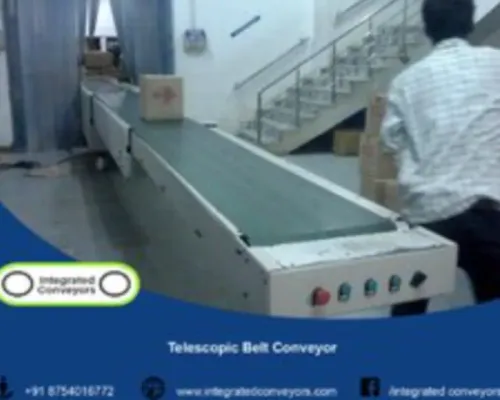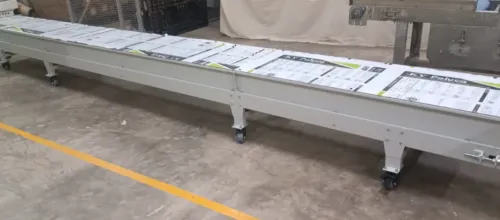
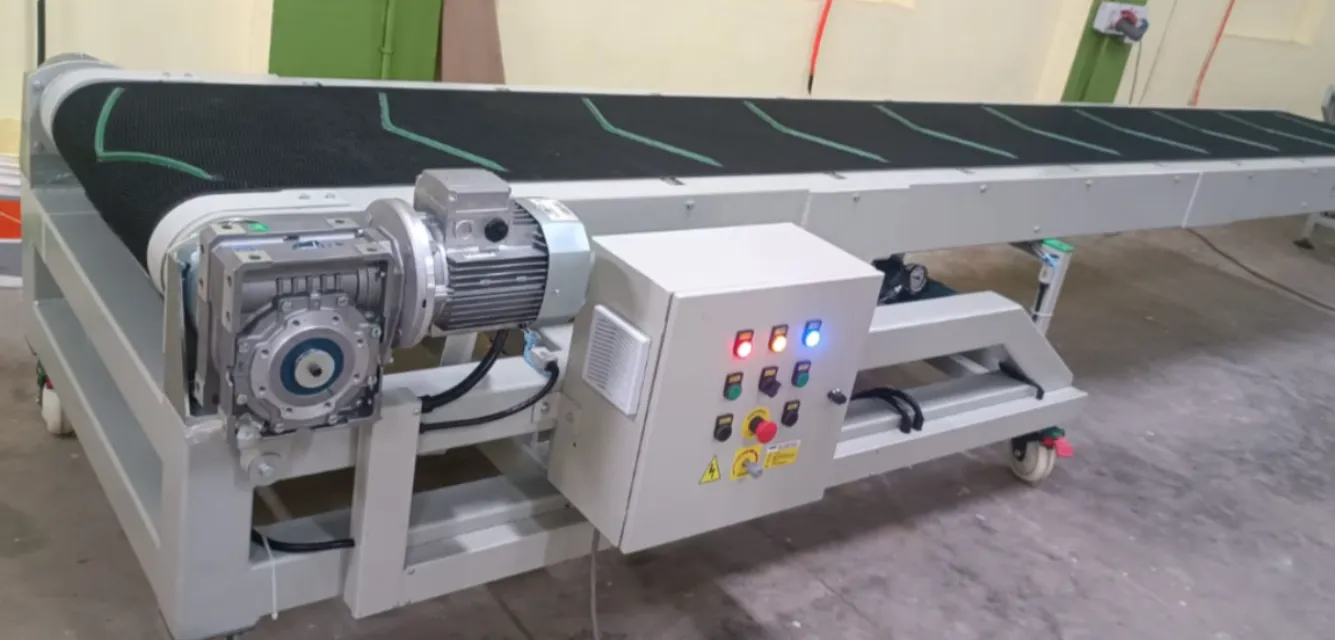
Loading and unloading trucks can become one of the most labour-intensive parts of warehouse operations. Cartons and packaged goods may need to travel repeatedly between storage areas, dispatch points, and vehicle interiors. A Truck Loading Conveyor helps create a more organized movement path during these operations.
Integrated Conveyors And Pacline Automation Technologies works with industrial conveyor and automation requirements where loading efficiency, product characteristics, and site conditions influence equipment selection. For warehouses and manufacturing units in Coimbatore, understanding the application can help determine whether truck loading automation is suitable.
Why Manual Loading Becomes Difficult
Manual carton movement may appear manageable when dispatch volumes are low. As shipment frequency increases, however, repeated carrying creates several operational challenges.
Businesses may experience:
- Longer vehicle turnaround times
- Excessive walking between loading points
- Irregular loading speed
- Higher dependency on manual labour
- Increased handling of cartons
- Congestion near dispatch bays
A conveyor can provide a continuous movement route between the warehouse and the vehicle.
How Truck Loading Conveyors Work
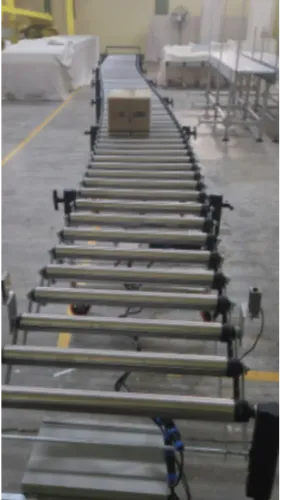
These conveyors are generally positioned to move boxes, cartons, bags, or suitable packaged products toward or away from trucks. Depending on the application, the system may incorporate adjustable lengths, flexible positioning, powered belt movement, or other configurations.
The correct arrangement depends on vehicle dimensions, loading-bay conditions, package size, weight, and required throughput.
Where They Are Commonly Useful
Truck loading conveyors can support operations in:
- Warehouses
- Distribution centres
- Packaging facilities
- Manufacturing plants
- Logistics hubs
- E-commerce fulfilment operations
- FMCG dispatch areas
For businesses handling frequent inward or outward shipments, the improvement is often found in smoother material movement rather than simply increasing conveyor speed.
Evaluate the Dispatch Process First
Before selecting equipment, businesses should study how products currently reach the truck. Measure the distance between staging and loading points, identify package dimensions, estimate peak hourly volumes, and check the different vehicle types arriving at the facility.
Coimbatore’s manufacturing and distribution sector includes businesses serving customers throughout Tamil Nadu and other regions. As dispatch volumes grow, efficient loading becomes increasingly important.
A properly selected truck loading conveyor can help reduce unnecessary carrying, organize loading activity, and improve coordination between warehouse and transport teams. The most effective system is one designed around the actual dispatch environment rather than selected only on conveyor length or price.
Keywords