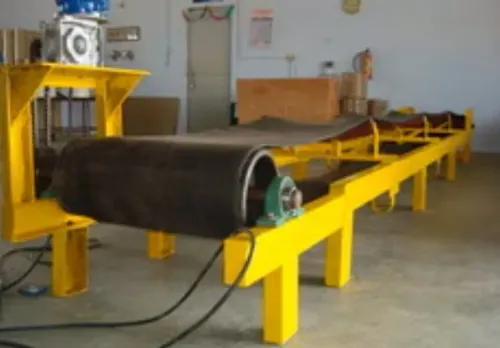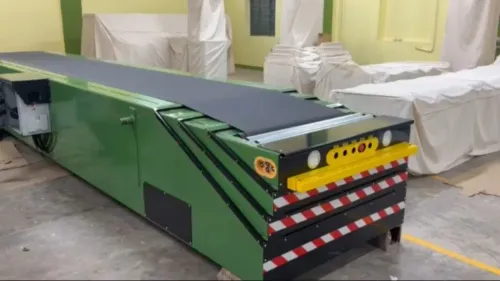
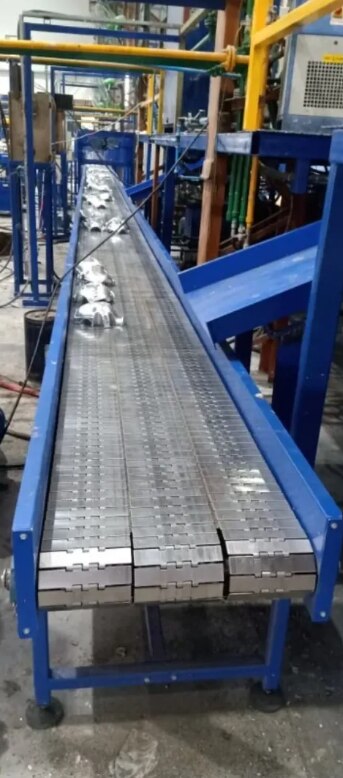
Choose a metal slat chain when rigid dairy containers need controlled spacing, accumulation, repeated starts and stops, or side transfers. Choose a belt when the product needs a continuous, quiet, fully supported surface; the correct decision also depends on sanitation access, transfer design, washdown chemistry, maintenance and total operating effort.
Key takeaways
- Use metal slat chains for rigid packs, indexing, transfers and accumulation.
- Use belts for loose, soft or easily tipped products needing continuous support.
- Compare cleanability, drainage, lubrication and access before choosing.
- Request drawings, washdown details, safety documents and service terms from suppliers.
Which conveyor suits your dairy product and line behaviour?
Choose a metal slat chain conveyor for rigid bottles, jars, cartons, crates and cases when the line needs indexing, starts and stops, side transfers or accumulation. Choose a belt conveyor for loose, small, soft or easily tipped products that need continuous support.
| Factor | Metal slat chain conveyor | Belt conveyor |
|---|---|---|
| Load | Carries rigid, concentrated loads through a positive sprocket drive. | Carries distributed loads, but belt tension, tracking and splice strength limit the duty. |
| Support | Slat openings can leave small products unstable. | Continuous surface supports open trays, powders, pouches and irregular products. |
| Grip | Friction-top or roller-top chains change grip; test acceleration and inclines. | Continuous belt friction gives steady transport but can slip when wet or overloaded. |
| Speed | Handles indexing and precise spacing; sprocket engagement adds vibration at speed. | Runs smoothly at high throughput, provided tracking and product stability hold. |
| Noise | Hinge articulation, sprockets and product contact create more mechanical noise. | Usually quieter, though rollers, bearings and a worn belt still generate noise. |
| Accumulation | Low-back-pressure chain limits pack scuffing when correctly selected. | Sliding accumulation can create back pressure, label scuffing and toppled containers. |
The belt conveyor versus chain conveyor decision also depends on transfers: small packs can fall or rotate at gaps. Specify nose-over transfers, dead plates or transfer fingers for chain lines, and pulley diameter, tracking and splice design for belts. Test both at the intended speed, load and accumulation length.
How should you compare hygiene and washdown design?
Compare the whole washdown path, not the stainless-steel grade. In a dairy conveyor system, suitable construction leaves no place for milk soil or rinse water to hide, lets operators inspect every food-contact and adjacent surface, and drains completely after cleaning.
A dry demonstration proves little: repeated wet cycles expose corrosion, water ingress, belt swelling, chain seizure and inaccessible residue.
| Option | Construction and cleaning checks | Failure to catch |
|---|---|---|
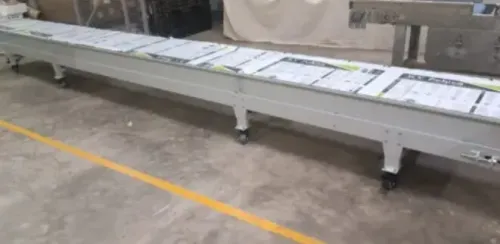
| Metal slat chain conveyor | Use corrosion-resistant, nontoxic slats with cleanable gaps; continuously welded, open supports; drainable tubing; protected bearings; sealed ends; and few exposed threads. Check hinges, sprockets and transfer fingers for soil traps. | Excess lubricant attracts milk powder and soil; too little accelerates wear. Small containers can bridge gaps when transfers are poorly designed. |
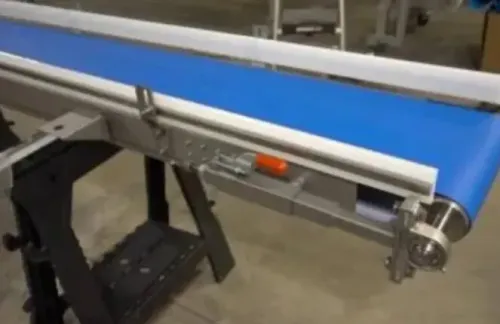
| Belt conveyor | Specify a non-absorbent, cleanable belt with a sanitary splice, suitable pulley diameter, tracking control, open framing, sloped surfaces and protected bearings. Inspect the underside, return rollers and belt edges. | A swollen belt, trapped residue or failed tracking control can contaminate product and interrupt cleaning. |
Require a documented washdown trial using the dairy’s actual detergent, sanitizer, water temperature, pressure and cleaning sequence. Inspect the equipment after repeated cycles, including floor drainage and the hygienic zone. Specify NSF H1 lubricant where incidental food contact is possible, then prevent migration onto product or packaging.
Reject unsealed hollow members, cracks, dead legs, poorly drained horizontal surfaces and rough welds; a higher steel grade will not correct those failures.
What operating specifications must you fix before choosing?
Do not approve a conveyor from product name alone. Record the largest and smallest product diameter, height, length, filled weight, container material, base shape, orientation and allowable contact pressure. Include the required hygienic zone, floor level, drain locations and available electrical supply.
| Specification | Metal slat chain conveyor | Belt conveyor | Figures to fix |
|---|---|---|---|
| Product and load | Rigid bottles, cups, cartons, crates and cases; positive drive | Loose, soft, small or irregular products; continuous support | Product dimensions, weight, stability and contact surface |
| Layout | Tight-radius curves, indexing and accumulation | Straight runs, inclines and continuous flow | Overall length, width, elevation, incline, curve radius and accumulation length |
| Transfer | Nose-over, dead plate, transfer fingers or side belt | Pulley diameter, tracking and sanitary splice | Gap, transfer height, speed match and product orientation |
| Speed and capacity | State chain pitch, starts per minute and maximum accumulation pressure | State belt width, speed range and loading rate | Units per minute, kilograms per hour and peak demand |
| Washdown | Record slat material, hinge access and drainage | Record belt material, splice and underside access | Water temperature, pressure, detergent, sanitiser and cleaning sequence |
Test both options at the highest speed and load. A dry demonstration will not reveal belt swelling, chain seizure, corrosion, water ingress or product loss at transfers.
Require a documented washdown trial using your actual chemistry and repeat it for the planned cleaning frequency. Fix the acceptable noise level, floor drainage time and post-wash inspection points before comparing purchase prices.
What will maintenance, safety and ownership effort look like?
A lower purchase price does not settle a belt conveyor versus chain conveyor decision. Count sanitation labour, water and chemical use, lubrication, planned downtime, wear parts, spare-part lead time and maintenance access across the dairy conveyor system’s working life.
| Option | Wear and replacement | Cleaning, safety and ownership |
|---|---|---|
| Metal slat chain | Inspect pins, hinges, sprockets and wear strips; replace damaged slats in sections, but expect more interfaces to clean. | Use guarding, emergency-stop devices and interlocked access covers. Control lubricant migration with NSF H1 lubricant where incidental contact is possible; excess oil attracts soil. |
| Belt | Check belt edges, tracking, pulley lagging and splice condition; replacement may require a complete belt, splice and longer downtime. | The continuous surface can reduce soil traps, but the splice and underside still need inspection. Guard nip points and interlock access; budget for tracking correction and belt tensioning. |
Price the following as recurring ownership items:
- Sanitation minutes per cycle, detergent and sanitizer volume, water temperature and pressure
- Chain, sprocket, wear-strip, belt, splice and fastener costs
- Planned downtime, emergency labour and local spare-part lead time
- Access time for removing guards, opening chain links or changing a belt
Require a documented washdown trial using your detergent, sanitizer, water temperature, pressure and cleaning sequence. Repeat it enough to expose corrosion, water ingress, chain seizure, belt swelling and inaccessible soil traps.
Compare noise at production speed, not from brochures. Choose controls that prevent unexpected start-up, isolate stored energy during cleaning and keep hands away from sprockets, rollers, pulleys and transfer points. A short-section chain repair can beat belt replacement, but only if inspection and cleaning are done consistently.
How do you evaluate a Coimbatore supplier before placing the order?
A quote labelled metal slat chain conveyor for system in coimbatore is not a usable specification. Before comparing prices, test the supplier’s ability to reproduce your product transfers, washdown conditions and service requirements.
1. Visit an operating dairy installation in or near Coimbatore. Watch the line during production and cleaning, then inspect welds, drainage, chain tracking, transfer points, guarding and electrical enclosures. Ask the owner about breakdown response and spare-chain availability.
2. Request a dimensioned general-arrangement drawing, product and load assumptions, speed, accumulation length, transfer details, motor rating, utility requirements and hygienic-zone boundaries. Also request stainless-steel grade, weld-finish details, lubrication instructions, electrical drawings, risk assessment, operation manual and preventive-maintenance schedule.
3. Make the supplier run a documented trial using your actual bottles, jars, cartons or trays. Record speed, noise, product orientation, accumulation pressure and transfer failures rather than accepting a dry demonstration.
4. Repeat the trial with your detergent, sanitizer, water temperature, pressure and cleaning sequence. Look for corrosion, water ingress, chain seizure, belt swelling, traction loss and soil traps after repeated cycles.
5. Obtain a written service plan for a chain conveyor system in coimbatore, including response time, technician location, warranty exclusions and commissioning support. Integrated Conveyors And Pacline Automation Technologies should be assessed against the same evidence.
6. Price a recommended two-year spare package: chain, sprockets, wear strips, bearings, sensors, belts or sanitary splices. Confirm stock location, part numbers and replenishment lead times before signing.
Frequently asked questions
Which conveyor suits dairy products and line behaviour?
Choose a metal slat chain conveyor for rigid bottles, jars, cartons, crates and cases when the line needs indexing, starts and stops, side transfers or accumulation. Choose a belt conveyor for loose, small, soft or easily tipped products that need continuous support.
How should you compare hygiene and washdown design?
Inspect stainless-steel construction, open access, drainage, belt or chain cleanability, product-contact materials, lubrication points and protection around motors and bearings. Ask how the conveyor handles the cleaning chemicals, water pressure and washdown temperature used at your plant.
What operating specifications must you fix before choosing?
Define product dimensions and weight, speed, throughput, accumulation length, conveyor width, elevation changes, transfer gaps, indexing accuracy, operating temperature and the required washdown routine before requesting a quotation.
What affects maintenance, safety and ownership effort?
Compare belt or chain replacement time, spare-part availability, lubrication needs, access to bearings and drives, guarding, emergency stops, inspection routines and the supplier's response time for breakdowns.
How do you evaluate a Coimbatore conveyor supplier?
Request a layout, load and speed calculations, material specifications, washdown design, electrical drawings, guarding details, commissioning scope, warranty terms, spare-parts list and references for dairy or food-processing installations.
Keywords