A secure shrink-wrapped pack depends on more than heating film: the machine must form reliable seals, apply the correct heat dose, and present every product in the same position. You will be able to choose film, set up the wrapping process, diagnose common defects, and specify acceptance checks that prove the line is producing repeatable packs.
Key takeaways
- Thread film in the specified direction and balance unwind tension before heating.
- Match film type, thickness, shrink ratio, and package dimensions to the product.
- Correct wrinkles by checking film tracking, tension, temperature, and conveyor speed.
- Use aligned conveyors, sensors, and acceptance checks to control pack consistency.
How the wrapping cycle creates a repeatable pack
A repeatable pack begins with film loading: mount the roll in the specified orientation, thread it through the guide rollers, and set the film sensor and unwind tension. Incorrect shrink direction or uneven tension creates diagonal wrinkles before heat reaches the product.
During product presentation, the conveyor places each item at a controlled position and spacing. The film folds around it without trapping a corner or allowing the product to touch the seal area. A misaligned product produces an open seal, distorted bundle, or exposed edge.
The sealing stage creates the package shape:
- The film overlap is closed to form the longitudinal seal.
- The sealing jaw or side-seal bar cuts and closes the leading and trailing edges, creating the end seal.
- The conveyor transfers the sealed pack into the tunnel, where controlled temperature, airflow, and dwell time shrink the film tightly around the product.
The shrink wrapping machine operation is repeatable only when product spacing, film tension, sealing temperature, tunnel temperature, and conveyor speed remain consistent. Excessive heat can distort contents or burn through film; insufficient heat leaves loose film and poor corner coverage.
At the outlet, longitudinal seal and end seal inspection-reject handling separates acceptable packs from failures. Check seal continuity, wrinkles, tears, exposed product, and package position, then divert rejects without stopping good product flow. Record the fault and correct its cause rather than resealing every failed pack manually.
How to choose and size shrink film for the product
Choose the film from the product’s weight, edges, handling conditions, and required finish—not from thickness alone. A thick film that punctures at corners or seals poorly creates weaker packs than a lighter film matched to the job.
| Film type | Strength and shrink behavior | Best fit |
|---|---|---|
| polyolefin shrink film | Clear, balanced shrink and strong seals; available in standard and cross-linked grades | Cartons, retail packs, and food-contact packs |
| polyethylene shrink film | Tough, flexible, and puncture-resistant, with lower shrink force | Bottles, bundled products, and heavy loads |
| PVC shrink film | High clarity and easy shrinking, but less suitable for heavy-duty handling or many food-contact applications | Lightweight retail products where supplier approval covers the use |
For food-contact packaging film requirements 21 CFR 177.1520, obtain the supplier’s resin, additive, thickness, and conditions-of-use documentation. The generic label “shrink film” does not prove compliance.
Size centerfold film from the product cross-section. Add the product width and twice its height, divide that total by two, then add clearance for easy loading and sealing; a tight calculation causes exposed corners. Set film length to the product length plus two end-seal allowances. Confirm both dimensions with a trial pack.
Check these properties against distribution conditions:
- Shrink direction, so machine-direction and transverse-direction shrink do not create diagonal wrinkles.
- Seal strength and puncture resistance at the product’s sharpest edges.
- Shrink ratio, shrink force, clarity, coefficient of friction, and roll length.
- Film gauge and cross-linked construction when hot products, abrasion, or repeated handling demands extra durability.
Run filled packs through the actual tunnel settings and test seals after cooling. A larger gauge is not a substitute for correct film orientation, coverage, and heat exposure.
Which wrapping machine and packaging method fits the job
Choose the equipment by product shape, throughput, and the restraint the finished pack must provide. A shrink tunnel supplies heat; it does not replace a sealer or a pallet-load restraint system.
| Option | What it does | When it applies |
|---|---|---|
| L-bar sealer | Cuts and seals film around one pack in an intermittent cycle | Use for low-to-medium output, changing products, and preformed film webs. |
| Web sealer | Feeds film continuously while making the seal | Use when products need steady feeding and fewer cycle pauses. |
| Sleeve wrapper | Forms a film sleeve around several items or a bundle | Use for cartons, bottles, and multipacks that need grouping rather than full enclosure. |
| Continuous side-seal machine versus intermittent sealer | Seals the long side continuously; an intermittent sealer stops for each cut | Choose continuous sealing for high speed or varied product lengths; choose intermittent sealing for simpler, slower lines. |
| Shrink tunnel | Applies controlled heat after sealing | Use to tighten film around the product; match tunnel width, airflow, and temperature to film shrink direction. |
| Stretch wrapper | Applies tensioned stretch film around a pallet or load | Use for unit-load containment during handling and transport. |
| Tape sealer | Closes corrugated case flaps with adhesive tape | Use for regular case sealing when shrink protection is unnecessary. |
| Strapping system | Applies plastic or steel bands | Use when compression or load binding matters more than dust protection. |
| Case bundler | Groups cases into a transportable bundle | Use when multiple cartons must move as one handling unit. |
Do not rely on shrink film alone to stop pallet shifting. Add stretch wrapping, strapping, or a mechanically stable load design when transport forces demand it.
How to set the machine and correct packaging defects
Set the heat dose, not the maximum heat. A product needs enough tunnel energy to shrink the film evenly without softening the product, weakening seals, or distorting corners.
1. Start with the film supplier’s temperature range, then adjust the shrink tunnel temperature in small steps. Match conveyor speed and dwell time to product mass, film gauge, load spacing, and tunnel length; faster travel reduces heat exposure.
2. Balance tunnel airflow so heated air reaches the package’s top, sides, and underside. A mesh belt helps circulation, but excessive airflow can move light products or create uneven shrink. Stabilise the product before changing temperature.
3. Set sealing-jaw temperature and pressure to produce a continuous, clean seal. An incomplete seal means the jaw is too cool, pressure is low, or film is misaligned; increase the correct setting and remove film from the jaw face.
- Loose or cloudy film: increase dwell time or tunnel heat gradually, and check that the film is correctly sized.
- Burn holes, brittle film, or product distortion: reduce tunnel temperature or dwell time; inspect for a blocked airflow path.
- Wrinkles or one loose side: centre the film, correct product spacing, and balance airflow before adding heat.
- Tears at the seal: reduce jaw heat or pressure, remove sharp product edges, and check for trapped product in the seal.
5. Reject packs with open seals or tears. Isolate electrical, pneumatic, conveyor, and stored thermal energy before clearing jams or servicing hot sealing parts.
How to build a conveying and acceptance plan for consistent output
Approve the cell only after an acceptance run with the actual product mix, film, operators, and planned settings. Rated packages per minute proves little if unstable infeed causes missed seals, trapped products, or damaged packs.
1. Run the slowest and fastest planned rates. Record product spacing and infeed registration, orientation, handoff into the sealer, and any accumulation pressure. Reject the setup if products overlap, rotate, or touch the sealing area.
2. Check every pack for seal continuity, film tracking, coverage, wrinkles, burn-through, and final dimensions. Measure seal strength using your defined test method, then record the acceptable range rather than relying on appearance.
3. Test the open-mesh conveyor belt through the tunnel with the smallest and largest products. Confirm belt tension, support-bar spacing, product stability, airflow around the underside, and freedom from belt marks or sagging.
4. Trigger a controlled jam and verify that the machine stops, rejects the affected product, restarts without film drift, and returns to the approved output. Repeat the test after film replacement and a documented changeover.
5. Inspect machine guarding, access doors, interlocks, hot surfaces, cutting bars, nip points, and rotating parts. Confirm cleaning and film-replacement access, plus an OSHA lockout/tagout procedure that isolates electrical, pneumatic, thermal, and stored-motion energy.
Integrated Conveyors And Pacline Automation Technologies can help assess the conveyor-to-wrapper handoff when the belt, guides, flights, and sealing equipment come from different design assumptions. Approve production only when the signed results define speed, temperature, spacing, reject limits, and restart conditions.
Related products
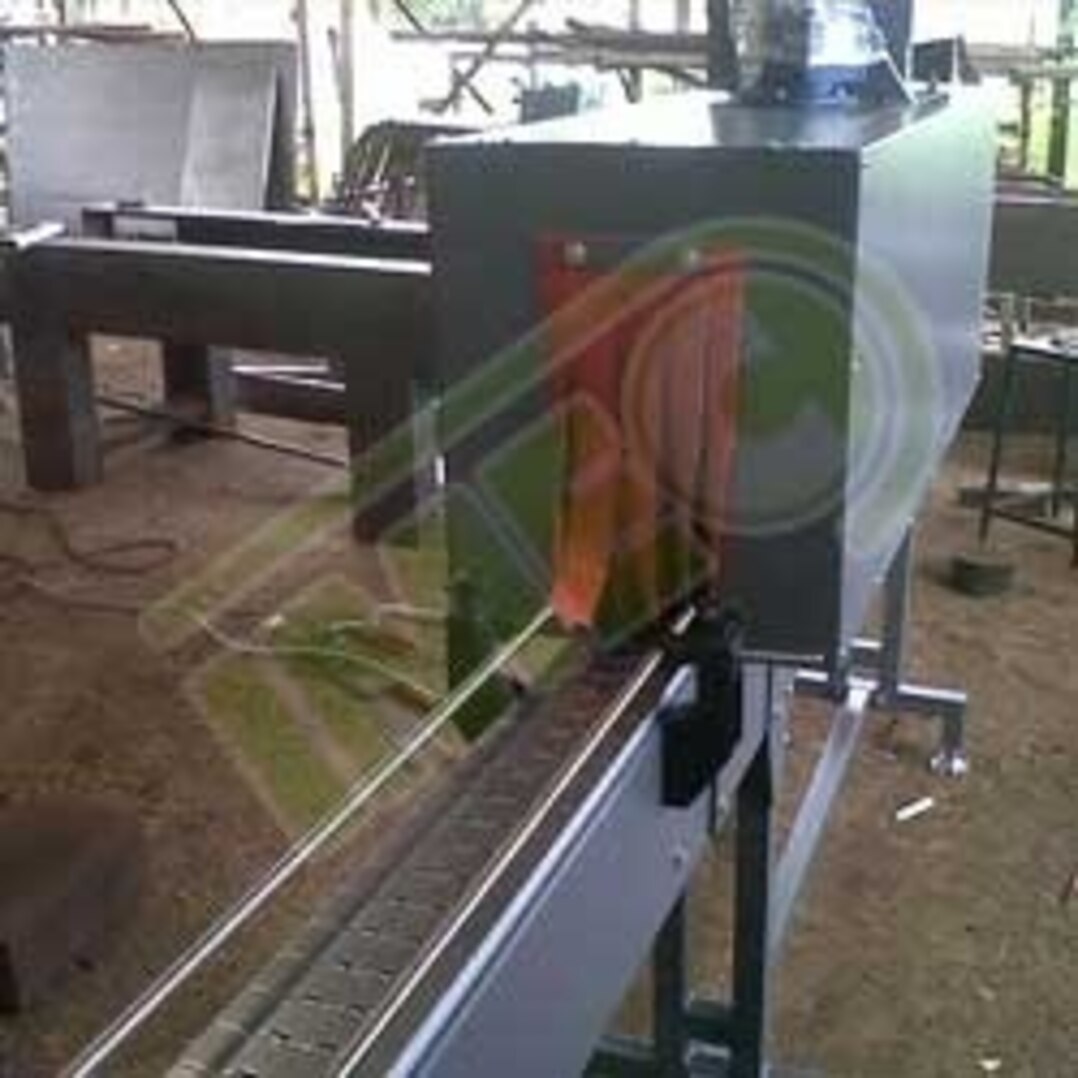
 | Shrink Tunnel Shrink Wrapping Machines With an aim to fulfill varied requirements of our valued clients, we are engaged in offering Shrink Wrapping Machines. View product → |
 | Bottle Shrink Wrapping Machine We are one of the noteworthy enterprises engaged in offering superior quality Bottle Shrink Wrapping Machine. View product → |
Frequently asked questions
How does a shrink wrapping cycle create a repeatable pack?
The cycle depends on correct film loading, film tracking, unwind tension, sealing, heat exposure, and cooling. Set each stage consistently so every product receives the same film overlap and shrink conditions.
How do you choose and size shrink film for a product?
Select film by polymer, thickness, shrink direction, and shrink percentage. Measure the product’s length, width, and height, then allow enough film for the seal and the required overlap without excessive waste.
Which shrink wrapping machine and packaging method fits the job?
Choose between a manual L-sealer, semiautomatic side-seal machine, automatic side-sealer, or sleeve wrapper based on product dimensions, throughput, pack configuration, operator involvement, and film format.
How do you correct common shrink packaging defects?
Trace wrinkles, holes, weak seals, burnt film, and loose packs to film alignment, tension, sealing temperature, heat exposure, airflow, or conveyor speed. Change one setting at a time and inspect the result.
How can a conveying and acceptance plan improve output consistency?
Align infeed and discharge conveyors, control product spacing with sensors, and define checks for seal strength, film coverage, wrinkles, holes, and pack dimensions. Record defects by machine setting and time.
Related products
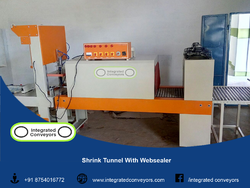 | Water Bottle Shrink Tunnel Shrink Tunnel with Web Sealer Machine We offer web sealer with shrink tunnel that is designed for unique and special packing requirements of our clients. View product → |
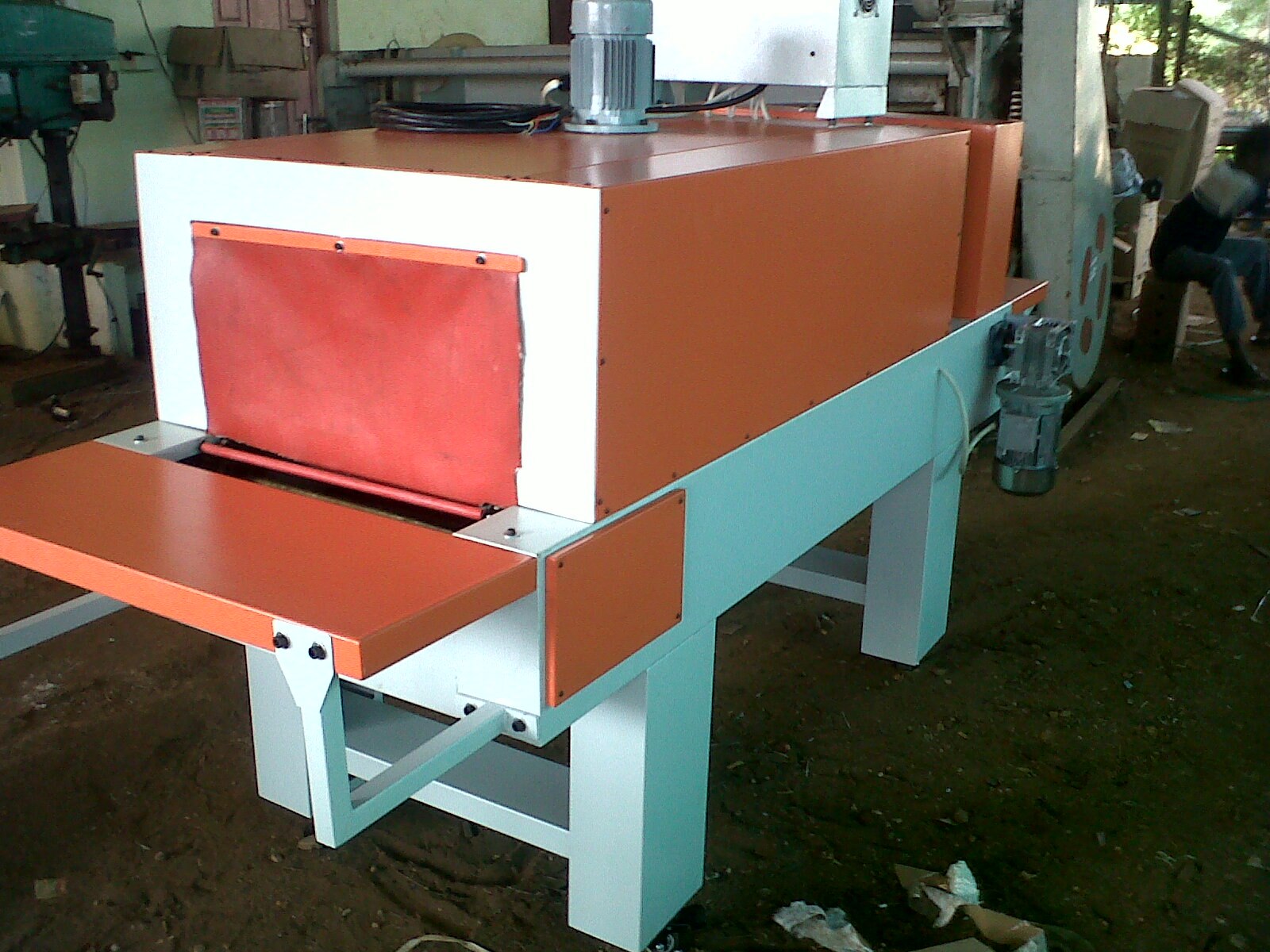 | A shrink tunnel or heat tunnel is a heated tunnel mounted over or around a conveyor system. View product → |