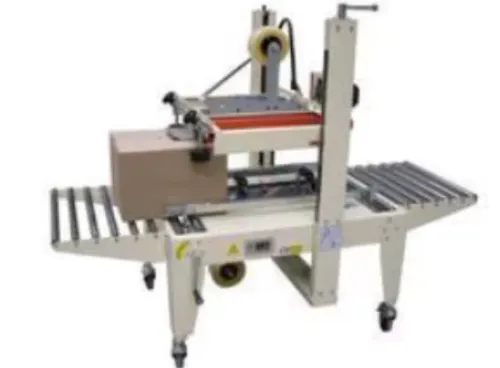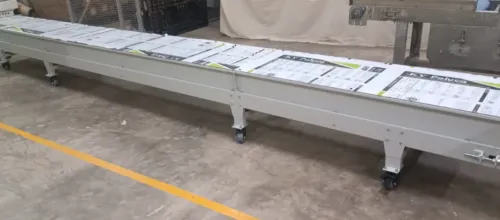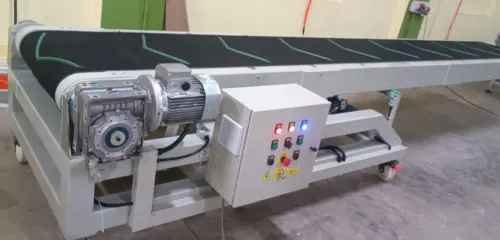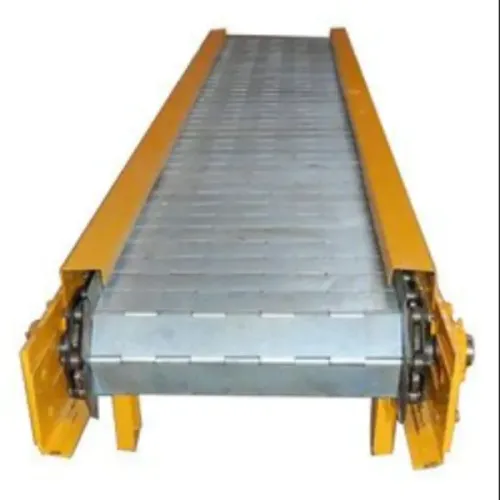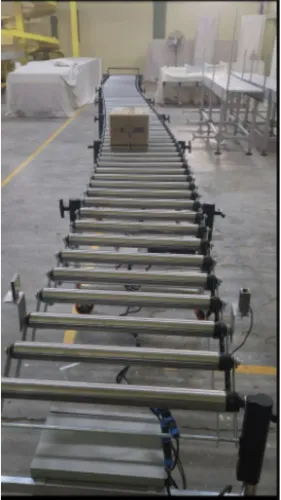
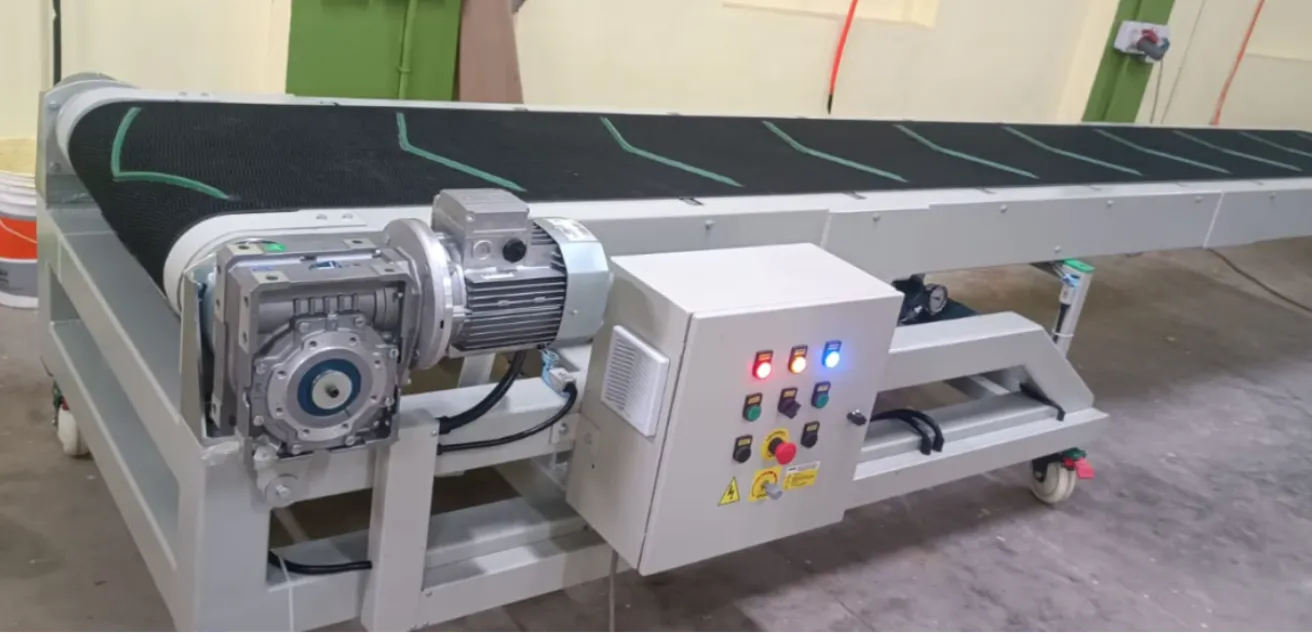
A well-planned Conveyor System can significantly improve the way materials move through a manufacturing facility. In industrial areas across Coimbatore, Tamil Nadu, businesses handle components, cartons, finished products, raw materials, and packaged goods every day. When these materials depend heavily on manual movement, production can become slower and harder to coordinate.
Integrated Conveyors And Pacline Automation Technologies provides conveyor solutions for industrial material movement, where the focus is on matching the conveyor configuration with the actual production process. Understanding how conveyors support workflow is useful for manufacturers planning new facilities as well as those upgrading existing operations.
Where Conveyor Systems Add Value
A conveyor creates a controlled route between different stages of production, assembly, packaging, inspection, storage, or dispatch. Instead of workers repeatedly carrying or pushing materials, the system supports continuous or scheduled movement.
Common applications include:
- Moving components between workstations
- Transferring finished products toward packing areas
- Connecting production and inspection sections
- Handling cartons before dispatch
- Feeding products into automated equipment
- Reducing repeated manual material movement
The benefit is not simply faster transportation. A properly designed system can make the entire workflow easier to organize.
Choosing the Right Conveyor Configuration
Different factories require different conveyor layouts. Product size, weight, surface characteristics, production speed, available floor space, transfer height, and operating environment all influence the design.
For example, a straight belt conveyor may work well for regular cartons, while manufacturing components may require a different belt surface, supporting structure, or transfer arrangement. Facilities with limited floor space may need vertical or inclined movement instead of long horizontal conveyor runs.
Why Layout Planning Matters
Installing equipment without studying material flow can create new bottlenecks. Before choosing a conveyor, manufacturers should identify:
- Where the material originates
- Where it needs to move
- How frequently it moves
- Maximum and minimum product dimensions
- Required handling speed
- Available floor and overhead space
- Connections with existing machinery
This approach helps ensure that the conveyor supports production rather than becoming an isolated piece of equipment.
Supporting Coimbatore’s Industrial Operations
Coimbatore has a diverse manufacturing base covering engineering, automotive components, pumps, textiles, machinery, fabrication, packaging, and other industrial segments. These businesses often require dependable internal movement between processes.
A suitable conveyor system can reduce unnecessary handling, improve workflow consistency, and make future automation easier to implement. For manufacturers evaluating material-flow improvements, the starting point should always be the actual movement of products through the facility. Once that flow is understood, conveyor design becomes a practical part of improving overall plant efficiency.
Keywords