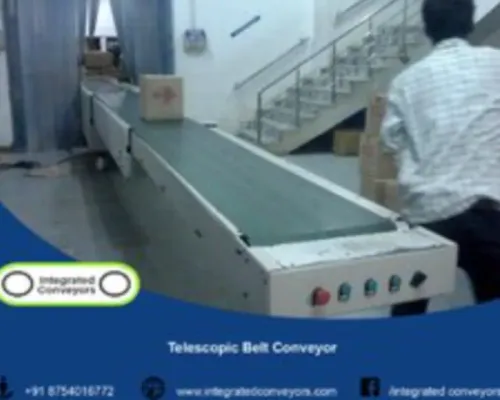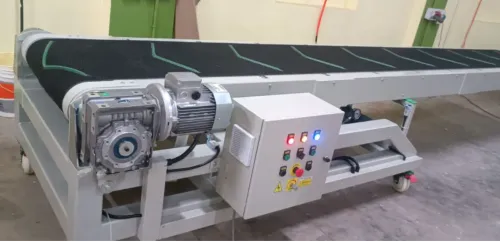
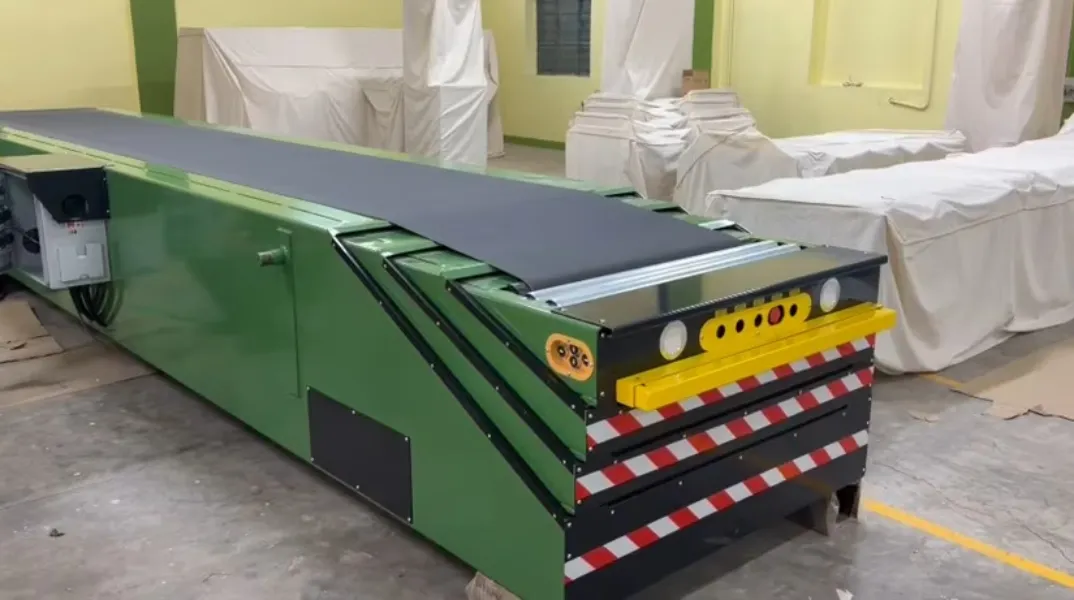
A fixed conveyor can move goods efficiently across a warehouse, but it may stop short of reaching different areas inside a truck or container. Employees must then carry products from the conveyor endpoint to the required stacking position. A telescopic conveyor addresses this limitation through an extendable conveying section.
A telescopic conveyor in Coimbatore can support warehouses, manufacturing units, parcel operations and distribution facilities that manage frequent vehicle loading and unloading. Its ability to extend and retract allows the conveyor length to change according to the vehicle and working position.
Understanding the Telescopic Movement
The conveyor contains multiple nested sections. These sections extend outward to reach deeper into a truck or container and retract when loading is complete. This design allows the equipment to occupy less space when it is not operating.
As the loading process progresses, the conveyor position can be adjusted so workers remain closer to the product flow. The system reduces the distance employees need to carry individual packages.
Its core advantages include:
- Adjustable reach for handling different truck lengths, container depths and changing loading positions
- Reduced walking and manual transfer during loading or unloading of cartons and packaged goods
Suitable Products and Operations
Telescopic systems commonly handle cartons, parcels, boxes and packaged products with stable bases. Belt specifications should match the weight, dimensions and surface characteristics of the goods.
Facilities with frequent dispatch cycles are likely to gain greater operational value than sites that load only a few products occasionally. Businesses should review their daily vehicle count, average loading duration and labour requirements before deciding whether the system suits their operation.
Site Conditions That Affect Design
The conveyor must align correctly with the loading dock and vehicle floor. Differences in truck height may require height adjustment or a suitable supporting mechanism.
The available space behind the conveyor is equally important because the equipment needs room to retract without blocking walkways or nearby operations. Electrical access, floor condition and vehicle positioning should be considered during layout planning.
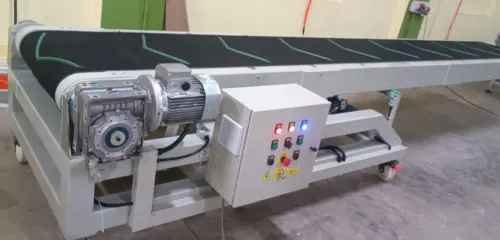
Controls should be accessible to operators working near the loading point. Emergency stops, suitable lighting and clear communication between employees inside and outside the vehicle contribute to safer operation.
Improving the Loading Process
A telescopic design delivers the strongest results when the surrounding workflow is organised. Goods should arrive at the conveyor in the correct dispatch sequence, and sufficient space should be available for sorting and vehicle stacking.
Integrated Conveyors And Pacline Automation Technologies develops conveyor systems around operational and site-specific requirements. Coimbatore businesses exploring telescopic conveying can first record vehicle types, package sizes, loading frequency and existing turnaround time. Sharing these details during a site assessment helps determine the required extension length, belt width and control arrangement for a more efficient loading process.
Keywords