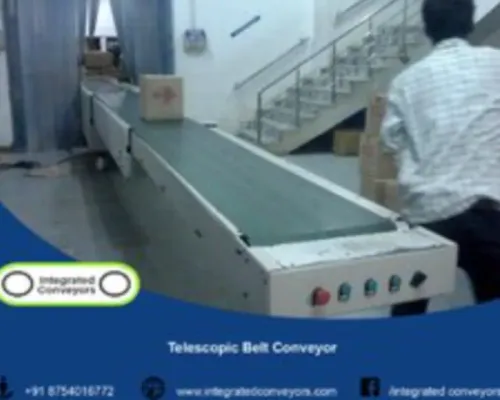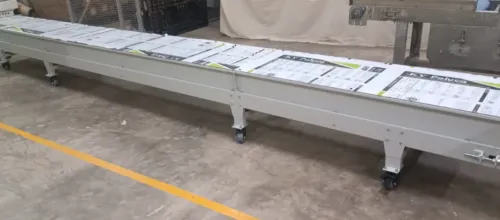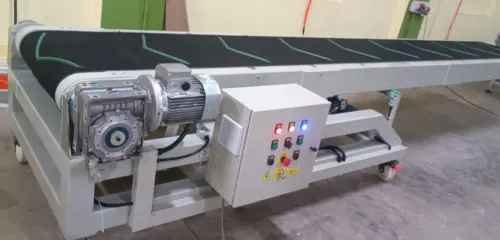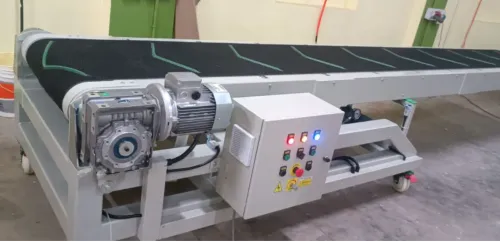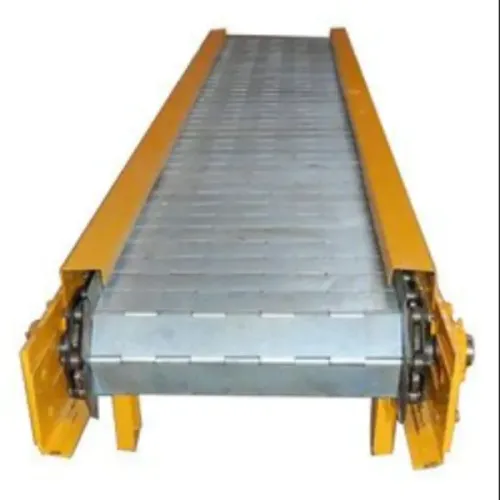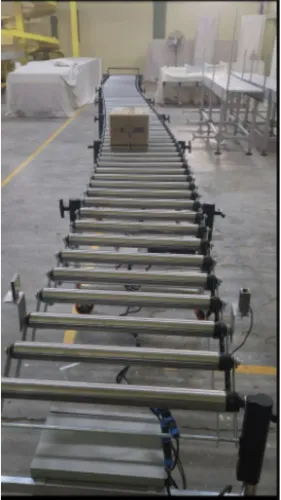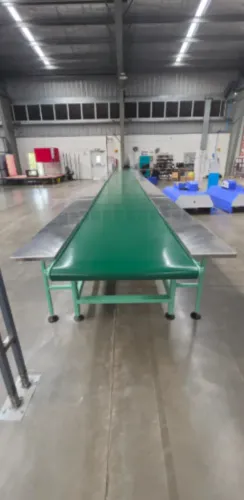
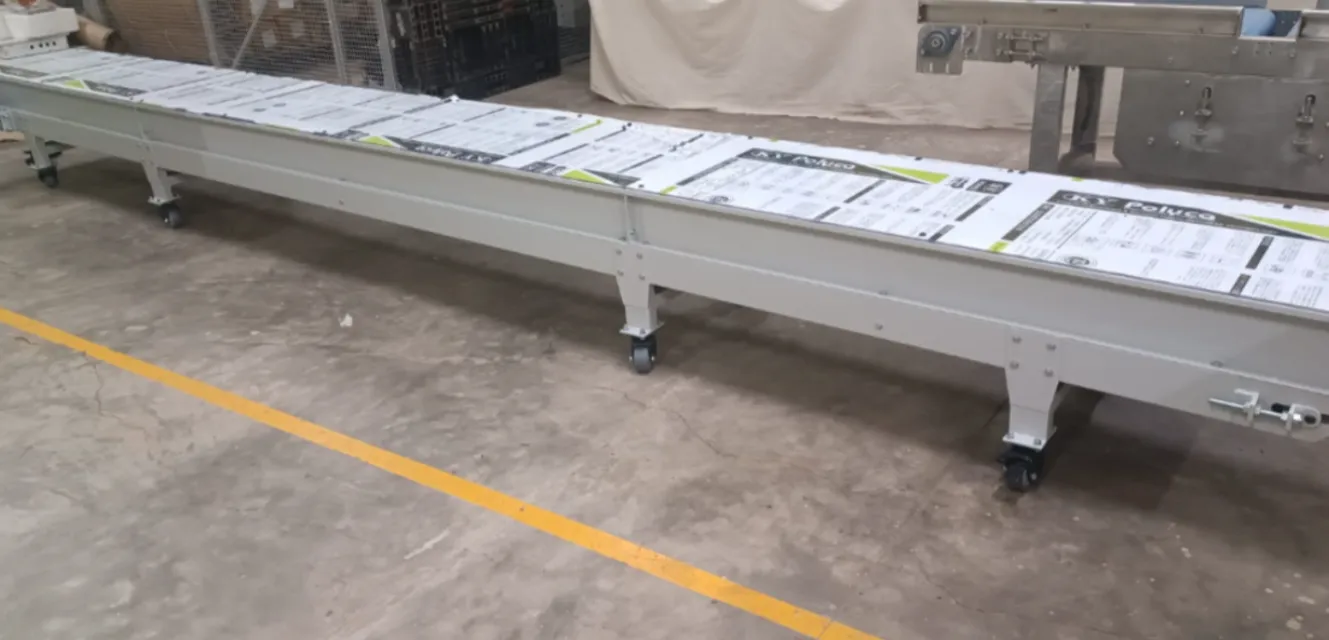
A flat belt conveyor moves products over a continuous, level conveying surface. Its straightforward design makes it suitable for manufacturing, packaging, inspection, sorting and assembly operations where materials need stable support while travelling between workstations.
Businesses looking for a flat belt conveyor in Coimbatore should consider more than the overall length of the equipment. Product characteristics, operating conditions, belt material and required speed all affect how reliably the conveyor performs.
Where Flat Belt Conveyors Are Used
Flat belt systems can handle cartons, boxes, components, packaged foods, containers and lightweight industrial products. They are commonly installed beside production machines, packing stations, quality inspection areas and assembly workstations.
Unlike separate rollers, the continuous belt supports the entire base of a product. This makes the conveyor useful for smaller items or packages that may not travel smoothly across wide roller gaps.
Common applications include:
- Transferring products between production, inspection, labelling, packing and dispatch stages
- Creating a controlled working surface for assembly, sorting, counting or visual quality checks
What Determines the Belt Type?
The product being moved is the first consideration. Smooth packages may require a standard belt, while inclined movement may need a surface with additional grip. Food and pharmaceutical environments may require belt materials selected for hygiene and cleaning requirements.
Temperature, moisture, dust and exposure to oil or chemicals should also be evaluated. A belt suitable for a clean packaging area may not perform equally well in a demanding industrial environment.
Width matters as much as material. The belt should support the product securely without using unnecessary floor space. Businesses should measure both the smallest and largest products expected to travel on the conveyor.
Speed, Load and Layout Planning
Conveyor speed should match surrounding processes. If it operates too quickly, employees may struggle to inspect or pack products. If it moves too slowly, it can restrict the output of other machines.
The total load on the belt includes the weight of multiple products travelling simultaneously. Motor capacity, supporting structure and belt tension must be chosen accordingly.
Coimbatore manufacturing facilities may also face limitations involving columns, machinery positions, operator movement and available electrical points. Site-level planning helps prevent these constraints from affecting installation.
Maintaining Consistent Performance
Routine cleaning prevents packaging debris and industrial dust from accumulating around moving parts. Belt alignment, tension, bearings, drive components and safety controls should be checked periodically. Early correction of unusual noise, slippage or tracking problems can reduce disruption.
Integrated Conveyors And Pacline Automation Technologies provides conveyor solutions designed around material flow requirements. Before finalising a flat belt conveyor, map the complete journey of the product from entry to exit. This simple exercise can reveal the suitable belt specifications, working height and operating speed for the facility.
Keywords