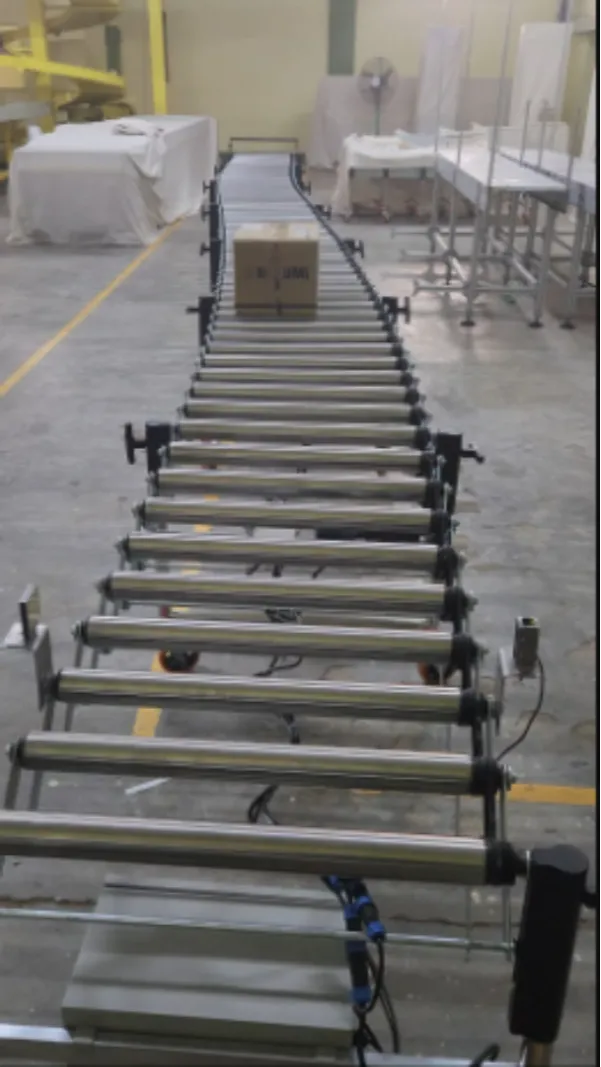
Material movement may appear to be a supporting activity, but it directly affects production speed, employee workload and floor utilisation. When workers repeatedly carry components between storage, processing, inspection and packing areas, small delays can accumulate throughout the shift.
Material handling conveyors in Coimbatore help industrial facilities establish a consistent route for moving components, cartons, crates and packaged goods. The right system can connect separate operations without disrupting employee movement or machine access.
Identify Where Delays Begin
Before choosing a conveyor, businesses should observe how materials currently travel through the facility. Congestion frequently occurs when products wait between machines, employees cover long distances, or production output exceeds the capacity of the packing section.
A workflow review should examine:
- Material entry and exit points
- Distance between workstations
- Product dimensions and weight
- Required production output
- Manual handling frequency
- Available floor and overhead space
- Inspection or accumulation points
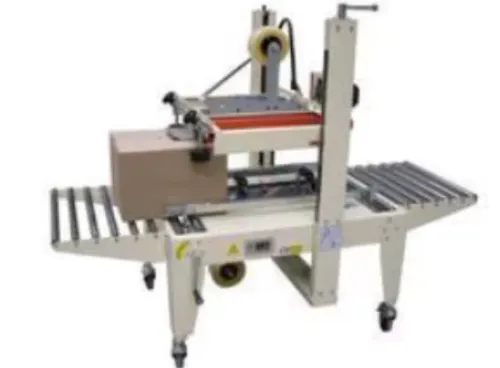
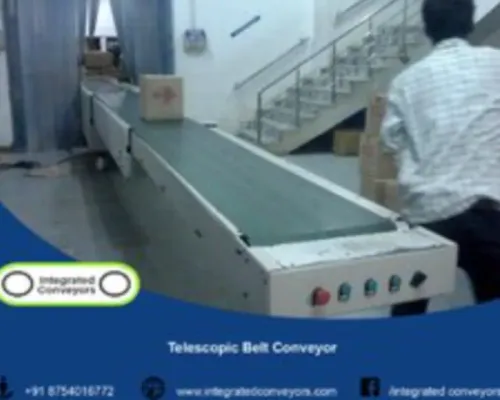
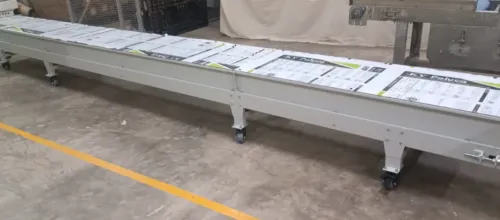
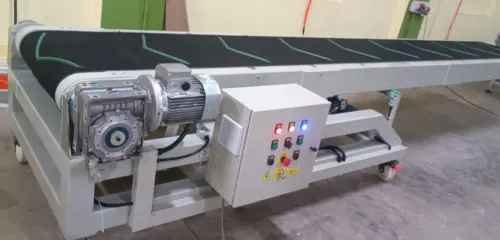
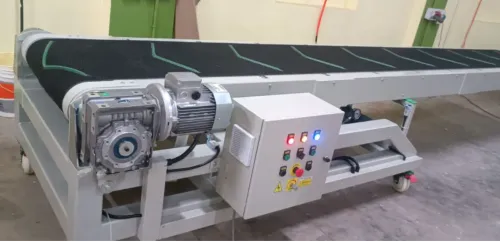
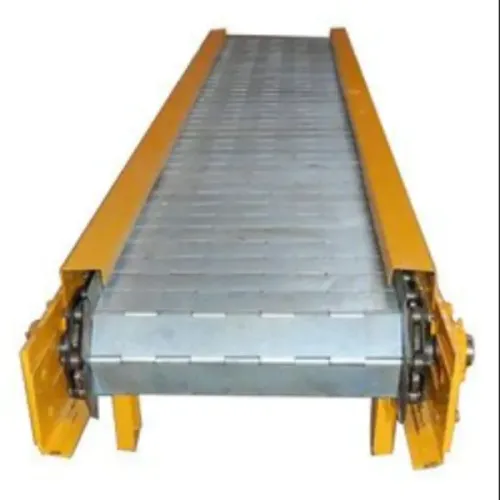
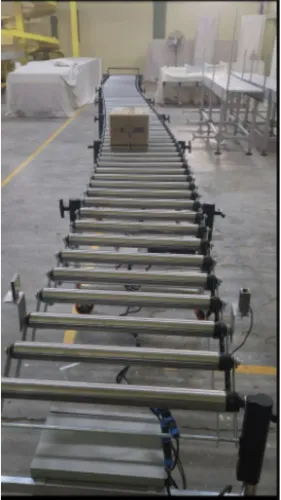
These observations help determine whether the facility needs a belt conveyor, roller conveyor, chain conveyor or a combination of technologies.
Design Around the Product
Cartons and plastic totes may travel efficiently on rollers, while small components often require the continuous support of a belt. Heavy items may need a robust chain-based system. Products that pass through heating, cooling or washing processes can require specialised belt materials.
The conveyor should also accommodate reasonable product variation. If a factory handles different carton sizes, the width, side guides and transfer points must support the complete operating range.
Connect Processes Without Creating Congestion
Installing a conveyor does not automatically create efficient material flow. Its speed must correspond with upstream production and downstream packing or inspection capacity. If one stage operates more slowly, products may accumulate and obstruct the line.
Controlled accumulation zones can provide temporary storage between processes. Sensors and variable-speed controls may also help coordinate movement where production conditions change during the day.
Support Safe Daily Operation
Conveyor routes should preserve access to machines, electrical panels and emergency exits. Operators must have sufficient space to load, inspect and remove products safely.
Useful safety provisions include accessible emergency stops, protected drive components, stable frames and clearly defined working zones. Preventive maintenance should cover belts, rollers, bearings, motors, chains and control devices.
Coimbatore’s diverse manufacturing sector includes engineering, textiles, food processing, automotive components and packaging operations. Each industry requires a material handling arrangement suited to its products and production environment.
Integrated Conveyors And Pacline Automation Technologies plans conveyor systems around facility layouts and operational requirements. Schedule a material-flow mapping session to identify avoidable movement, suitable conveyor routes and the equipment required to connect your production stages effectively.
Keywords